
Walk into the cleaning aisle and you will find a wall of toilet cleaners with different promises. Most of them fall into a few categories, and knowing what each does makes choosing and using them safer and easier. This guide explains the main types, safety rules, and what to do if something goes wrong.
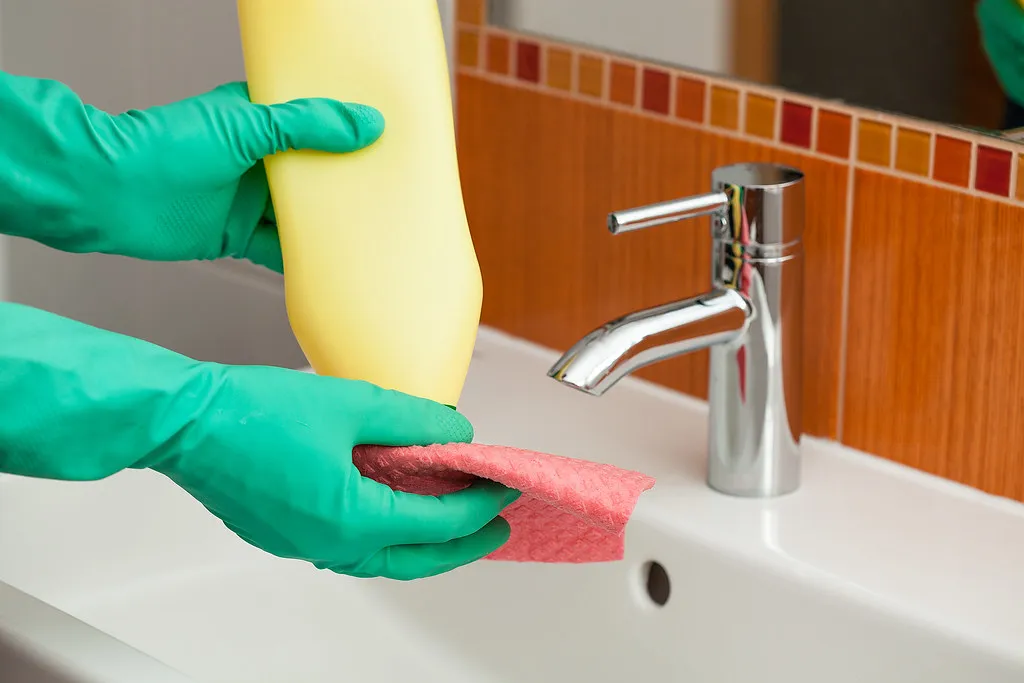
Never mix bleach with ammonia or other cleaners, and follow every product label. For leaks, backups, or sewage, call a licensed plumber.
The main types of cleaners
Toilet bowl cleaners
These are made for porcelain and the bowl. Some are acidic, some contain bleach, and some are milder, plant-based formulas. Acidic cleaners help with mineral deposits and hard-water rings. Bleach-based cleaners disinfect and whiten.
Disinfectants
A disinfectant kills germs when used as directed. The label will say how long the surface must stay wet. Cleaning removes dirt, and disinfecting kills germs, so clean first, then disinfect if you need to.
All-purpose cleaners
Good for the outside of the toilet, the seat, and the floor. Check the label that it is meant for these surfaces.
Natural options
Baking soda and white vinegar are popular. Vinegar is mildly acidic and can help with mineral deposits. Baking soda is mildly abrasive. These are lower in hazard than strong chemicals, but they are not disinfectants in the same way as registered products, and they should never be combined with bleach.
Tablets and in-tank products
Drop-in tablets slowly release cleaners into the tank. They can be hard on the rubber parts in the tank over time, which can cause leaks and running toilets. See stop a running toilet. Check whether the maker says they are safe for your toilet and septic system.
The golden safety rules
- Read the label. Follow directions, contact times, and warnings.
- Never mix cleaning products. Mixing bleach with ammonia creates toxic chloramine vapors. Mixing bleach with acids, including many toilet bowl cleaners and vinegar, can create chlorine gas. Do not combine them, even in small amounts, and do not use one right after another without rinsing and ventilating.
- Ventilate. Open a window or run the fan.
- Wear gloves. Eye protection helps with splash-prone cleaners.
- Keep out of reach of kids and pets. Store cleaners in their original containers, in a locked or high place.
- Do not pour cleaners down the drain mindlessly. Follow local disposal guidance for large amounts.
If you get exposed
- Fumes: move to fresh air right away. If you have trouble breathing, chest pain, or ongoing coughing, call 911 or your local emergency number.
- Skin: rinse with plenty of water, remove contaminated clothing, and follow the label’s first-aid directions.
- Eyes: flush with water for at least 15 minutes and seek medical care.
- Swallowed: do not induce vomiting. Call Poison Control at 1-800-222-1222 in the U.S.
Using a brush safely
A toilet brush with a covered holder keeps drips in one place. Rinse the brush after use. Replace it when worn. See how to clean a toilet.
Septic systems
If you have a septic system, use cleaners as directed and not in excess. See septic-safe and flushing rules.
Sensitive households
If someone has asthma, allergies, or a respiratory condition, consider fragrance-free and lower-fume options, ventilate well, and clean when the person is not in the room.
Storage and labels
Keep products in their original bottles. Do not transfer to food containers. Keep labels intact so that you can identify contents in an emergency.
Cleaning up after a clog or backup
If you clean sewage or a backed-up toilet, wear gloves and eye protection, ventilate, and use an appropriate disinfectant. For serious sewage backups, call a plumber and consider professional cleanup. See how to unclog a toilet.
The takeaway
Use one product at a time, ventilate, wear gloves, and keep everything away from children. See reduce bathroom odor for ways to keep the room fresh, and see our researched top-10 list.