
It is a fair question. A device that sprays water near your most private parts should be clean, and you should feel confident using it. In general, bidets are considered a hygienic way to clean up when used and maintained correctly. This guide covers how they work, what to watch for, and how to keep one clean. It is general information, not medical advice.
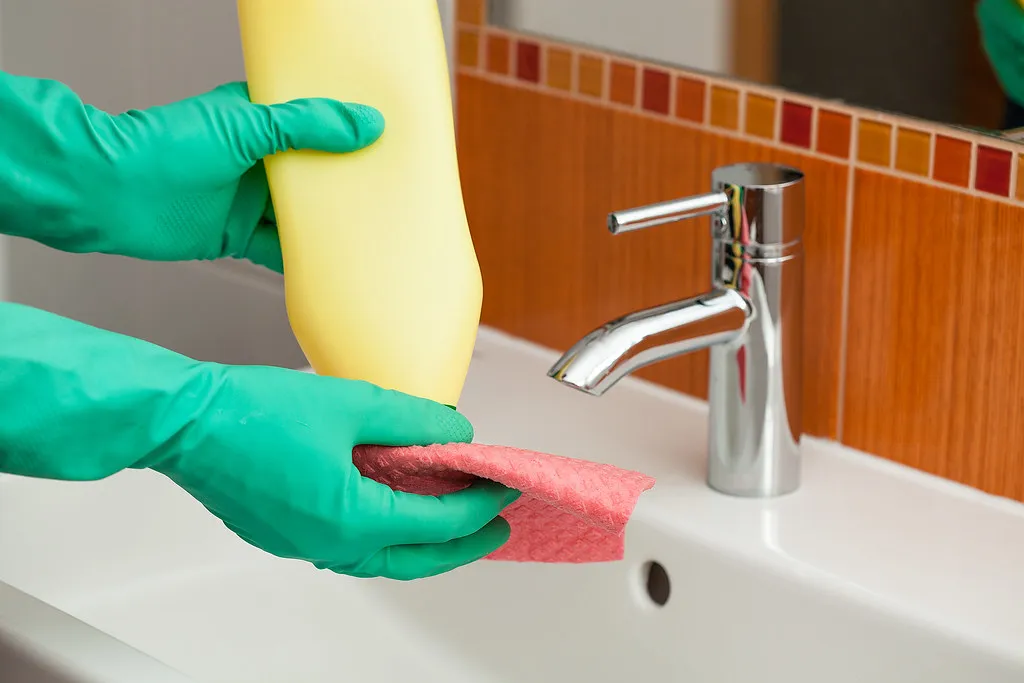
Never mix bleach with ammonia or other cleaners, and follow every product label. For leaks, backups, or sewage, call a licensed plumber.
Why many people consider them cleaner
Water rinses away residue in a way that wiping with dry paper may not. Many users report feeling cleaner. Rinsing is also gentler on skin than repeated wiping, which can irritate some people. Medical guidance varies by condition, so if you have a skin or digestive issue, ask your clinician what is best for you.
What to keep in mind
Nozzle cleanliness
The nozzle sits near the bowl and can get splashed. Most bidets have a self-cleaning feature that rinses the nozzle before and after use, and many have a protective cover. If yours does not, wipe it occasionally per the maker’s instructions. Use only products the manual allows, since some cleaners damage plastic.
The water source
A bidet attachment uses water from your home’s cold supply line, the same water that feeds your sink. Water is clean enough to drink at the tap and to wash your hands. Seats with water tanks that heat water need regular care. Follow the manufacturer’s instructions on cleaning and filter changes.
Hands
You still need to wash your hands with soap and water after using the bathroom. A bidet does not replace that step.
Drying
Pat dry with a small amount of toilet paper, a cloth you wash, or the dryer if your seat has one. A damp area can be irritating for some people.
Shared use
If you share a bathroom, a bidet is generally fine, since the nozzle sprays water instead of touching you. Clean the seat and handles regularly like any toilet.
Cloth towels
If you use a cloth for drying, keep one for each person, wash often, and dry fully.
Common concerns
Will it spread germs through the air? Any toilet flush can create a spray, and a bidet is not a major added concern, but closing the lid before flushing is a sensible habit.
Is cold water a problem? Cold water is safe, though it can feel unpleasant. See bidet water temperature and pressure.
What about women’s health? Some sources suggest that the spray direction matters, and that front-to-back is generally preferred. Ask your clinician if you have recurring infections or concerns, and use gentle pressure. Avoid overusing high pressure or very hot water.
What about irritation? Some people find a bidet soothing. Others find that frequent rinsing or strong pressure irritates. Start gentle and adjust.
Keeping a bidet clean
- Wipe the bowl, seat, and controls with your usual bathroom cleaner when you clean the toilet. See how to clean a toilet.
- Clean the nozzle gently per the manual.
- Replace filters on schedule if your model has them.
- Check hoses and connections for leaks.
- Wash cloth towels often.
When something seems off
If the nozzle is clogged, water pressure falls, or you notice mold or odor, clean it according to the manual. If it persists, contact the maker. See how to install a bidet attachment if you suspect an installation problem.
Safe cleaning
Never mix cleaners, especially bleach with ammonia or other chemicals. See toilet cleaning products and safety.
Overall
Used and maintained properly, bidets are a reasonable choice for many people. If you are curious, read what is a bidet and see our researched top-10 list for options with links to official pages.