
A toilet that keeps running wastes water and can drive you up the wall. The good news is that most running toilets come down to one of a handful of inexpensive parts, and many fixes need nothing more than a screwdriver. This guide walks through how a toilet tank works, how to find the culprit, and when to call a plumber.
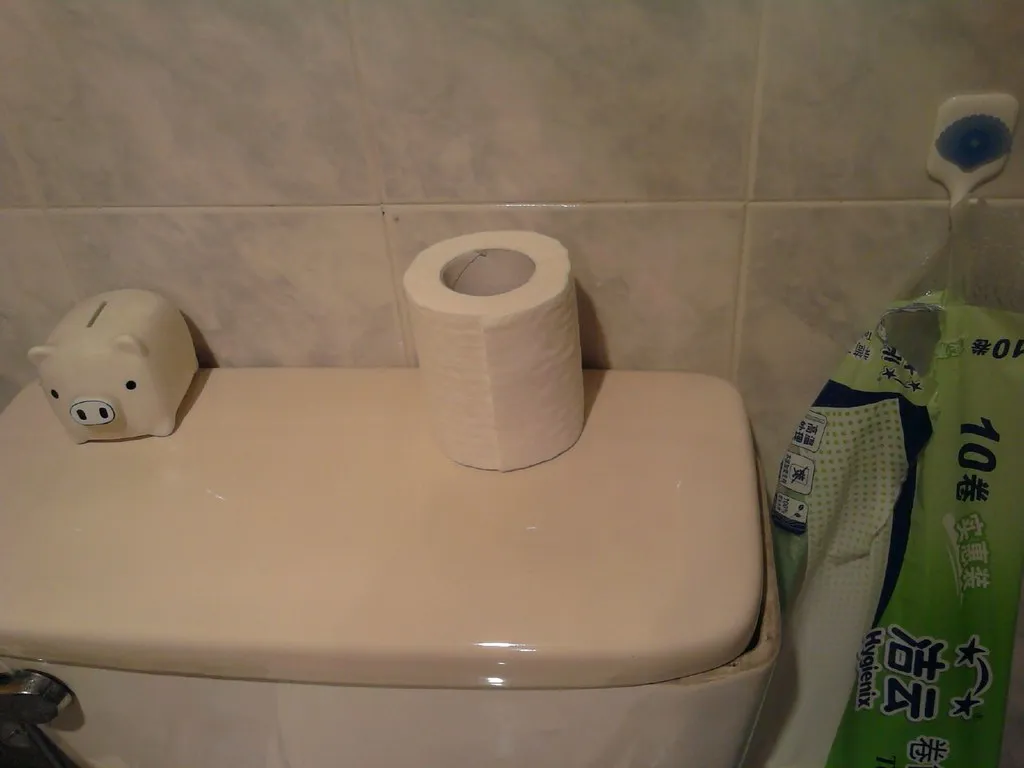
Never mix bleach with ammonia or other cleaners, and follow every product label. For leaks, backups, or sewage, call a licensed plumber.
How the tank works
When you flush, the handle lifts a chain connected to a rubber flapper at the bottom of the tank. Water rushes into the bowl. As the tank empties, the flapper drops back down, and a float and a fill valve refill the tank until the water reaches a set level. An overflow tube stands in the tank to prevent spills if the fill valve fails.
A running toilet usually means water is leaking from the tank into the bowl, or the fill valve is not shutting off.
Step 1: Take off the lid and look
Carefully lift the tank lid and set it somewhere safe. Look at the water level. It should sit about an inch below the top of the overflow tube. If water is spilling into the tube, the fill valve or float is the likely problem.
Step 2: Check the chain
If the chain connecting the handle to the flapper is too tight, it can hold the flapper slightly open. If it is too loose, it may not lift the flapper fully. There should be a small amount of slack, often around half an inch. Adjust the chain at the clip. A tangled chain can also catch under the flapper.
Step 3: Test the flapper
The flapper is the most common culprit. Over time, the rubber wears, warps, or collects mineral buildup, and it stops sealing.
Dye test: Put a few drops of food coloring in the tank. Do not flush for 15 to 20 minutes. If color appears in the bowl, the flapper is leaking.
Fix: Turn off the water supply at the valve behind the toilet, flush to drain the tank, and replace the flapper with one that matches your toilet. Many hardware stores sell universal ones. Take the old one with you to match the style.
Step 4: Check the float and fill valve
If the water is rising too high and spilling into the overflow tube, the float may be set too high. Adjust it by turning a screw or sliding a clip, depending on the type. If the fill valve itself is failing, it may hiss or run constantly. Replacing a fill valve is a bigger job, but kits are inexpensive and include instructions.
Step 5: Clean the seat
Mineral deposits on the flapper seat can stop a new flapper from sealing. Turn off the water, drain the tank, and gently wipe the seat with a cloth or a non-scratch pad.
Phantom flushing
If your toilet occasionally refills on its own with no one using it, it is often a slow leak from the flapper. The tank level drops, and the fill valve kicks on to restore it. The same dye test applies.
The handle
A handle that sticks can hold the flapper up. Check that the handle nut is not loose or corroded and that the handle returns freely.
Tools you might need
- Screwdriver and adjustable pliers.
- Replacement flapper or fill valve.
- Sponge and bucket.
- Gloves and a towel.
A plunger is a good tool to keep close for other toilet troubles. See how to unclog a toilet.
Safety and cleanliness
Tank water is generally clean, but wear gloves, and do not use harsh cleaners in the tank. Never mix cleaners. See toilet cleaning products and safety.
When to call a plumber
Call a licensed plumber if you cannot find the leak, if you see water on the floor, if the shutoff valve will not close, if the toilet rocks or leaks at the base, or if the problem returns after replacing parts. Leaks at the base can mean a failed wax ring or damaged flange, and they can rot floors.
Save water
Even a small leak can waste a lot of water over time. Fixing it early saves money. Your water meter can help you find hidden leaks: if the meter moves when no water is in use, you have a leak somewhere.
The takeaway
Start with the flapper, then the chain, then the float and fill valve. Most fixes are cheap and quick. For more bathroom basics, see how to clean a toilet and our researched top-10 list.